Small van rubbish removal Watford Junction WD17 access tips
Posted on 02/09/2026
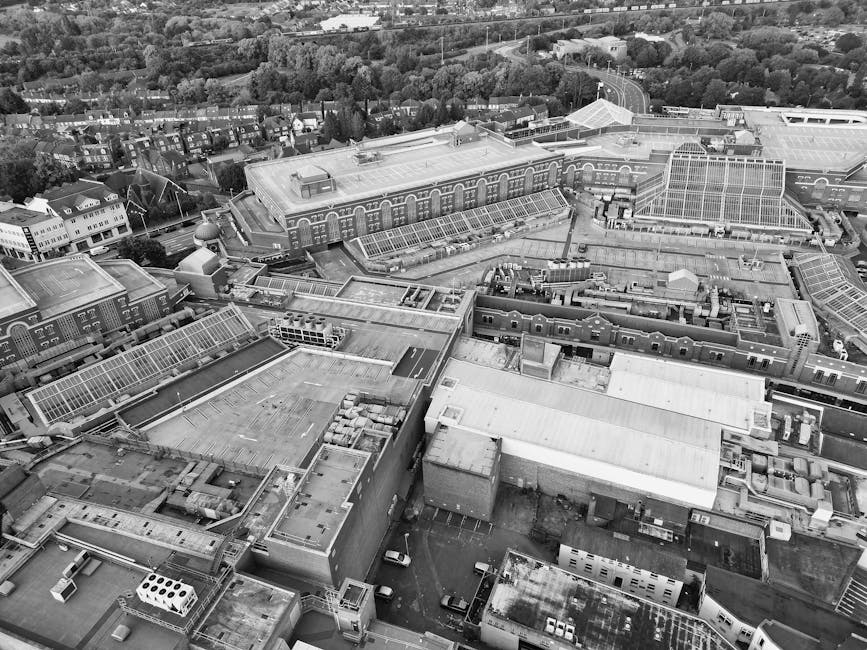
If you are arranging small van rubbish removal near Watford Junction in WD17, the job can be smoother than people expect - but only if access is thought through properly. A narrow road, awkward turning space, a shared driveway, or a brief stop outside a flat can make the difference between a quick collection and a stressful delay. In this guide, we'll walk through the practical Small van rubbish removal Watford Junction WD17 access tips that matter on the day: parking, loading, timing, safety, and the little local details that often get missed.
You'll also find a step-by-step approach, a comparison of access options, a realistic example, and a checklist you can actually use. If you're clearing furniture, garden cuttings, mixed household waste, or light builders' rubbish, the aim is the same: get everything out safely, legally, and without making the street feel like a circus. Let's face it, nobody wants a half-hour faff on the pavement because the van can't quite tuck in.
Why Small van rubbish removal Watford Junction WD17 access tips Matters
Access is not just a logistics detail. It affects cost, timing, safety, and whether the removal team can complete the job in one visit. Around Watford Junction and the wider WD17 area, you may be dealing with a mix of residential streets, busier routes, station-adjacent traffic, shared access points, and properties where the front door is not exactly generous. A small van can be a real advantage here, but only if you use its size properly.
Small vans are usually chosen because they can fit where larger trucks struggle. That helps in tighter streets, short driveways, cul-de-sacs, and places where you need a cleaner, quicker stop. But - and this is the bit people sometimes underestimate - "smaller" does not mean "no planning required". If the van blocks a drive, sits too far from the load point, or arrives at the wrong time of day, the whole collection becomes slower and more expensive in real terms.
There's also a practical neighbour factor. The less you obstruct paths, bays, gates, and access lanes, the easier it is to keep everyone on side. In a busy patch of Watford, that matters. A tidy, well-timed collection feels professional. A badly parked van with items stacked on the pavement? Not so much.
If your clearance is part of a bigger move, renovation, or property sale, access becomes even more important. It can affect handover timing and how smoothly the rest of the day runs. For homeowners thinking more broadly about local property logistics, some readers also find it useful to explore property-selling advice for Watford and the wider local context in living in Watford.
How Small van rubbish removal Watford Junction WD17 access tips Works
At its simplest, the process is straightforward: the team arrives in a compact van, parks as close as safely possible to the waste, loads the items, and leaves the site clear. The practical part is deciding how close is close enough, what can be carried safely, and whether the route from property to van is actually workable.
In a typical collection, access planning covers a few things:
- where the van can legally and safely stop
- how far the waste must be carried
- whether there are steps, tight gates, or narrow hallways
- if the access route is shared with neighbours or other businesses
- whether parking restrictions or busy periods will slow loading
The better the access information, the more likely the removal can be completed efficiently. This is especially true for mixed items - say a few bags of rubbish, an old wardrobe, and a broken appliance. That kind of job can seem small on paper, then turn into a bit of a puzzle once the van arrives.
Truth be told, the best removals feel almost boring in the best possible way. The waste is out, the van is away, and nobody has had to improvise with a hand trolley across a kerb at the last second. That calm, neat finish is usually the result of decent access prep.
Key Benefits and Practical Advantages
Using a small van for rubbish removal near Watford Junction WD17 can be a smart choice for several reasons. The benefits are not just about vehicle size; they're about reducing friction across the whole job.
- Better fit in tighter streets: A smaller vehicle is often easier to position in areas with limited manoeuvring room.
- Shorter loading distances: If the van can get close, the team spends less time walking back and forth.
- Less disruption: Compact access usually means less obstruction for residents, commuters, or neighbouring businesses.
- More efficient turnaround: Faster access often means a smoother, quicker collection window.
- Suitable for smaller loads: Ideal for single-room clearances, bagged waste, and lighter mixed rubbish.
There's a good customer side to this too. If you're clearing a flat, a spare room, or a small office, a compact van can feel much less intrusive than a large lorry. That can matter in a block with limited visitor space or in a street where everyone is already juggling parking.
And yes, a small van can sometimes be cheaper to deploy for the right kind of job. Not always. But often enough that it's worth asking about access in advance rather than assuming a larger vehicle is the default answer. If the job is more substantial, a broader services overview can help you match the job to the right removal type.
Who This Is For and When It Makes Sense
Small van rubbish removal around Watford Junction WD17 tends to suit people who need a practical, flexible clearance rather than a full-scale site clearance. It is especially useful if you're in one of these situations:
- you live in a flat or maisonette with tighter access
- you have a short driveway or a limited drop-off point
- you're clearing a few bulky items rather than a whole property
- you need rubbish collected from a back entrance, courtyard, or shared path
- you're managing an office tidy-up or a small commercial waste job
- you want a collection that avoids the hassle of hiring your own vehicle
It also makes sense if you're dealing with lighter renovation waste, old shelving, packaging, soft furnishings, or garden waste from a small outdoor space. If the load includes more specialised items, though, the access conversation matters even more. For example, white goods need careful handling, and heavy furniture may need extra carrying space and turning room. In those cases, it may be worth looking at appliance disposal or furniture removal support instead of treating everything as a generic rubbish job.
If your project is connected to a move, a sale, or a property refit, you may also want to see the local perspective through Watford real estate guidance. Small practical wins often make a bigger difference than people expect.
Step-by-Step Guidance
Here's the most useful part: how to prepare access so the rubbish removal runs smoothly.
- Measure the obvious bottlenecks.
Check gate width, driveway width, any low overhangs, and the width of hallways or side passages. Even a few centimetres can matter when moving larger items. - Map the route from waste to van.
Imagine carrying a sofa or several bin bags from the collection point to the vehicle. Is there a step, a tight corner, a slippery patch, or a shared doorway? - Think about stopping space.
Can a small van pull in safely for a brief stop, or will it need to remain on the road? If so, will that affect flow, neighbours, or parking restrictions? - Sort the load before collection.
Separate bulky items, bagged rubbish, metal, wood, garden material, and anything that may need special handling. This saves time on arrival. - Clear the path in advance.
Move shoes, plant pots, loose mats, and anything else likely to trip someone. It sounds obvious. People forget it anyway. - Warn neighbours if access is shared.
A quick heads-up is often enough to prevent a complaint or a blocked entrance issue. - Share the awkward details early.
Tell the team about basement access, intercoms, codes, one-way turns, or a loading bay limit. These details matter more than most people realise.
If you're booking the removal for a morning slot, aim to have everything ready before the van arrives. A half-prepared site at 8:30 a.m. is the sort of thing that can quietly snowball into a much longer job. In our experience, the calmest collections are the ones where the prep is done the night before. Simple, but effective.
Expert Tips for Better Results
There are a few field-tested habits that make small van rubbish removal much easier around Watford Junction WD17.
1. Prioritise the heaviest item first
If there is one bulky item that will block the route or consume the most effort, move that first. Once the biggest object is out of the way, everything else tends to go faster. It's a small change, but it saves a surprising amount of energy.
2. Keep bags tidy and closed
Loose, overfilled bags spill on stairways and pavements, and that can slow everything down. Secure bags are easier to stack and safer to carry. It's one of those details that sounds minor until you're halfway down a narrow passage with black bag debris everywhere. Not ideal.
3. Use daylight where possible
Late afternoon collections can work fine, but daylight makes it easier to assess obstacles, steps, and uneven ground. If the access is tight, seeing what you're doing helps a lot. A wet, dim path near dusk is a different story altogether.
4. Keep a clear line of sight for reversing
Drivers need enough visibility to position the van safely. If there are bins, hanging branches, or parking angles that reduce the line of sight, mention that in advance. Better to be awkward in the booking call than awkward on the road.
5. Prepare for mixed-use streets
Near stations and busier local routes, road activity can change quickly. If your collection is in a mixed residential-commercial area, a flexible arrival window may work better than a rigid minute-by-minute plan.
One more practical thought: if you're not sure whether an item should stay with the main waste load or be handled separately, ask before the day. That applies especially to appliances, paint tins, heavy rubble, and anything awkwardly shaped. The answer is often simple - but only if you ask early.
Common Mistakes to Avoid
Most access problems are predictable, which is why they're so avoidable. The usual mistakes are small, but they add up fast.
- Underestimating carry distance: A load point that seems "just over there" can become a long walk with bulky waste.
- Forgetting parking restrictions: A small van still needs a legal place to stop.
- Not checking gate or doorway width: Some items simply will not fit through without planning.
- Leaving sorting until the van arrives: This turns a simple collection into a slow-moving puzzle.
- Ignoring weather and surface conditions: Wet steps, muddy garden routes, and icy paving increase risk.
- Failing to mention restricted access: Shared entrances, codes, and timed loading bays should be disclosed early.
There's also the classic mistake of assuming "small van" means the team can just improvise. Sometimes they can. Sometimes they really can't. A staircase that turns too sharply or a courtyard with no turning space can stop a job in its tracks if nobody flagged it beforehand.
And yes, one slightly embarrassing but common issue is the front gate lock nobody can find the key for. Happens more than people admit.
Tools, Resources and Recommendations
You do not need to turn this into a military operation, but a few simple tools can help. For most domestic and light commercial clearances, the essentials are pretty basic.
- Tape measure: Useful for gates, door frames, and tight access points.
- Phone camera: A quick photo of the access route can be far more useful than a long description.
- Marker labels or notes: Great for separating items that must not be mixed with general waste.
- Gloves and sturdy shoes: If you're helping to move lighter items, protect your hands and feet.
- Trolley or sack truck: Helpful for short, level routes, though not always suitable for steps or narrow landings.
If you're planning a broader clearance rather than a one-off collection, it may help to review related options such as waste clearance in Watford or rubbish collection. For larger or more mixed jobs, you might also need waste disposal support that handles sorting and onward processing more systematically.
For readers who care about where waste goes after pickup, the page on recycling and sustainability is a sensible next stop. It's reassuring to know that a tidy collection can also be a responsible one.
Law, Compliance, Standards, or Best Practice
Any rubbish removal job should be handled with proper care and lawful disposal practices. In the UK, that means waste should be carried and managed by a compliant operator, and the waste should not be fly-tipped or handed off casually. You do not need to become a legal expert to book a removal, but you should know what good practice looks like.
Useful things to check or expect include:
- clear explanation of what can and cannot be collected
- evidence that the operator follows waste carrier requirements
- careful handling of items that need special treatment
- safe loading methods that reduce the risk of injury or damage
- transparent terms about access issues, waiting time, and any additional effort involved
If you're hiring someone to collect waste from a flat, office, or shop near Watford Junction WD17, it is sensible to ask how they manage access safely. That includes stairs, shared hallways, and public pavements. The best operators are usually the ones who ask thoughtful questions before the job begins, not after it goes sideways.
You can also explore the company's approach to licensing and compliance, plus insurance and safety. If you care about payment confidence, the information on payment and security and pricing and quotes can also help you understand the booking process more clearly.
Options, Methods, or Comparison Table
Not every clearance needs the same approach. Here's a simple comparison to help you choose the right method for access-heavy jobs around Watford Junction WD17.
| Method | Best for | Access strengths | Possible drawbacks |
|---|---|---|---|
| Small van collection | Flats, short driveways, smaller mixed loads | Easier to fit into tight streets and limited stop points | May require more care with larger or heavier items |
| Dedicated full clearance | Whole-house, loft, or office clearances | Better for larger volumes and organised loading | Needs more access room and sometimes more time |
| Specialist item removal | Appliances, furniture, awkward bulky items | Useful when one item is the main challenge | Less efficient if mixed with lots of general rubbish |
| Grouped waste collection | Bagged rubbish, garden cuttings, light renovation waste | Flexible and quick when the load is already sorted | Can become messy if items are not prepared |
For a small amount of waste, the small van route is usually the neatest fit. For heavier clearances, it may make sense to combine it with a more specific service such as domestic waste collection, builders waste disposal, or office clearance. The right choice is the one that matches both the waste and the access.
Case Study or Real-World Example
Here's a realistic example. A resident in a WD17 flat near Watford Junction had a mix of items to remove: three bin bags, a small chest of drawers, a broken bedside cabinet, and a boxed appliance. The building had a narrow side entry, and the only suitable stopping point was just outside the frontage for a short period. Nothing dramatic - but enough to matter.
Before collection, the resident measured the side gate, cleared the path, and sent a few photos of the access route. That meant the team could decide in advance how to approach the load. The small van was able to stop without blocking the entrance for long, the carry distance stayed manageable, and the whole job was completed without anyone needing to shuffle items around twice.
The important part here wasn't heroics. It was preparation. A few minutes spent on access planning prevented the usual little delays: waiting at the gate, lifting items back down a tight landing, or realising too late that the van had to move before the final load was ready. Small thing. Big difference.
Another local scenario comes up with businesses near station traffic. A small office clear-out might only involve a few desks, boxes, and broken chairs, but timing matters because drivers, delivery vehicles, and pedestrian movement all compete for the same space. For that kind of job, it helps to think ahead about commercial waste removal and how the collection window fits the day.
Practical Checklist
Use this checklist before the van arrives. It keeps things simple.
- Have I measured gates, doors, and any tight turns?
- Do I know where the van can stop safely and legally?
- Is the route from waste to van clear of obstacles?
- Have I separated bulky items from bagged waste?
- Have I told the team about stairs, codes, shared entrances, or low clearances?
- Are any items heavy, fragile, damp, or awkwardly shaped?
- Have I checked whether parking restrictions could affect access?
- Have I warned neighbours if the collection could briefly affect shared access?
- Are shoes, bins, mats, and loose clutter out of the way?
- Do I need a specific service for furniture, appliances, garden material, or loft contents?
Quick summary: If the van can reach the waste easily, the collection is usually quicker, safer, and less stressful. If access is tight, a small van helps, but planning helps more.
Get a free quote today and see how much you can save.

Conclusion
Good rubbish removal is rarely about brute force. It is usually about timing, access, and a bit of common sense. For Watford Junction WD17, a small van can be a very practical solution, especially where streets are tight, entrances are awkward, or the waste load is modest. But the real win comes from planning the access properly before anyone arrives.
If you measure the route, clear the path, share the awkward details early, and choose the right removal type for the load, you'll avoid most of the stress that people associate with clearance day. That's the point of these Small van rubbish removal Watford Junction WD17 access tips - not to make the process complicated, but to make it feel easy enough that you barely notice it happening.
And honestly, that is the nicest kind of service: the sort that removes the mess and the mental load at the same time.


 Tipper Van - Waste Disposal and Rubbish Removal Prices in Watford, WD1
 Luton Van - Waste Disposal and Rubbish Removal Prices in Watford, WD1