House clearance Vicarage Road Watford after tenancy
Posted on 21/10/2026
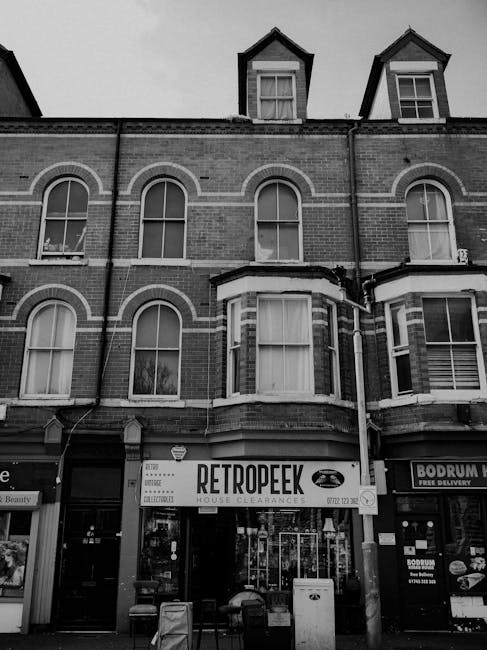
House clearance Vicarage Road Watford after tenancy: a practical guide for a clean handover
If you are dealing with a house clearance Vicarage Road Watford after tenancy, you probably want the same thing most people want at that point: a fast, tidy finish with no awkward surprises. The keys are due back, the landlord wants the property left in good order, and the last thing you need is a van-load of furniture, bags, broken bits, and half-forgotten odds and ends hanging around by the front door. Truth be told, end-of-tenancy clearances can feel messy before they feel manageable.
This guide explains how a post-tenancy house clearance works, what to expect, where delays usually happen, and how to choose the right approach for a property near Vicarage Road. You will also find a checklist, a comparison table, compliance guidance, and a realistic step-by-step plan so you can move from "where do I even start?" to "right, that's sorted."
Why House clearance Vicarage Road Watford after tenancy Matters
After a tenancy ends, clearance is about more than getting rid of unwanted items. It is part of resetting the property properly so it can be inspected, cleaned, re-let, sold, or handed back without friction. On a busy road like Vicarage Road, timing matters too. Access can be tighter, parking may need a bit of planning, and everyone involved usually wants the job done quickly and with minimal disruption.
There is also a practical side that people underestimate. A post-tenancy property often contains a mixture of items: old wardrobes that never quite got dismantled, a sofa that has seen better days, kitchen leftovers, garden clutter, small rubbish bags, and sometimes a few items that belong to neither the outgoing tenant nor the landlord. Sorting that properly is not glamorous. But it does save time, and it can prevent last-minute arguments.
For landlords and letting agents, a clear handover helps reduce void periods and makes inventory checks easier. For tenants, it helps avoid deductions and awkward disputes. For property sellers, especially if the tenancy ended before sale, it helps present the house in a better light. If you want to understand how property decisions fit into the wider local market, the article on selling property in Watford gives useful context.
Practical takeaway: a good clearance is not just removal. It is part logistics, part compliance, part peace of mind.
How House clearance Vicarage Road Watford after tenancy Works
The process is usually straightforward, but only if you prepare it well. In most cases, a clearance begins with a short assessment of what needs to go, what needs separating, and how much labour or loading space is likely required. The best operators will ask a few sensible questions first rather than guessing. That is a good sign.
Typical work may include furniture removal, appliance disposal, bagged rubbish collection, loft or storage clearance, and the removal of mixed household waste. If the property has bulky items or awkward access, the team may plan for extra time or bring the right equipment. For more detail on broader clearance options, see the main house clearance service in Watford and the wider waste clearance support available locally.
In a post-tenancy setting, the work often happens in one of three ways:
- Full clearance: everything agreed is removed in one visit, including bulky furniture and general waste.
- Partial clearance: only certain rooms or items are removed, such as a damaged sofa, white goods, or leftover tenant possessions.
- Mixed clearance and disposal: the team removes a blend of reusable items, waste, and bulky rubbish, then separates them for recycling or disposal.
You might be surprised how often the "small stuff" slows things down. A few drawers of loose bits, a stack of broken hangers, and a half-full shed can take longer than one large wardrobe. It's annoying, yes, but very normal.
If the property includes white goods, the team may need to arrange specialist handling for fridges, freezers, or washing machines. For that sort of item, the appliance disposal option is especially relevant. If furniture is the main issue, the furniture removal service or furniture disposal service may fit better.
Key Benefits and Practical Advantages
There is a reason post-tenancy clearance is so often booked at the last minute. Once people see the scale of the job, they realise a professional removal can be a huge relief. Not a luxury. A relief.
- Faster property turnaround: the space is ready for cleaning, inspection, or re-marketing sooner.
- Less physical strain: no one has to wrestle wardrobes down stairs or carry awkward items into a car.
- Better presentation: the property looks cleaner and more manageable for the next stage.
- Reduced disposal stress: you do not need to figure out what goes where, or how to move heavy items.
- Cleaner separation of waste streams: recyclable items can be set aside rather than mixed in with general waste.
- More predictable handover: less chance of disputes about what was left behind.
There is also a quieter benefit that is easy to overlook: confidence. When a property has been cleared properly, the whole end-of-tenancy process tends to feel more controlled. The room is empty, the floors can be seen again, and suddenly the place feels ready for the next chapter.
For readers who are looking at Watford more broadly, the local context matters too. If you are moving within the area or planning your next property step, you may find these perspectives useful: resident opinions on living in Watford and what makes Watford such a liveable suburb.
Who This Is For and When It Makes Sense
This type of clearance is not only for landlords. In fact, the people who need it most are often in different situations altogether.
- Outgoing tenants: you want to leave the property empty, tidy, and ready for inspection.
- Landlords: you may need the property cleared between tenancies, especially if items were left behind.
- Letting agents: you often need a quick, reliable solution that fits around check-outs, cleaning, and re-listing.
- Property sellers: if a rental has ended before a sale, the house often needs a proper clear-out first.
- Families handling a move: sometimes the tenancy ends, but the property still contains bulky leftovers that need dealing with.
It makes sense to book clearance when the job is bigger than a standard bin-day solution. If you are looking at broken furniture, a loft packed with forgotten things, or more than a couple of bulky items, the job is probably beyond what most people want to handle alone. And let's be honest, after a move, most of us have already had enough.
If the issue is mainly accumulated household rubbish rather than furniture, a local domestic waste collection or rubbish collection in Watford may be enough. If there is more mixed material, a broader waste disposal service can be the cleaner fit.
Step-by-Step Guidance
Here is the process I would recommend for a house clearance Vicarage Road Watford after tenancy. Keep it simple. Simple wins.
- Walk through the property room by room. Note what stays, what goes, and what needs special handling.
- Separate obvious categories. Put furniture, white goods, bagged rubbish, garden items, and reusable belongings in different mental piles, if not physical ones.
- Check for tenant belongings. It sounds basic, but this is where disputes often begin.
- Photograph the space if needed. Useful for handover records and for avoiding "that wasn't there before" conversations.
- Ask about access. Stairs, narrow hallways, parking, and loading distance all affect the job.
- Request a clear quote. Pricing should be tied to load size, item type, labour, and disposal route rather than a vague guess.
- Schedule clearance before final cleaning. That way the cleaners are not working around clutter.
- Do a final sweep. Check cupboards, loft spaces, under beds, and behind doors. The odd sock lives on forever in these places.
If the property includes extra storage areas, a loft clearance can be folded into the main job. For rooms used as an office or study, the office clearance page shows how mixed workspace items are handled. It is often a better fit than trying to force everything into a one-size-fits-all removal.
One-line reality check: if the property still looks half lived-in, it is not ready yet.
Expert Tips for Better Results
Small decisions make a big difference here. After plenty of clear-outs, a pattern emerges: the people who prepare well save time, money, and hassle. The rest usually end up making two phone calls instead of one.
- Pre-sort the obvious keepers. If something has already been claimed by the tenant or landlord, move it away before the team arrives.
- Flag fragile or heavy items early. Grandfather clocks, old fish tanks, large mirrors, and bed frames can need extra care.
- Clear access points. Move cars, unlock gates, and make sure the path from front door to vehicle is usable.
- Keep documents and valuables separate. This sounds obvious, but important papers often turn up in odd places.
- Ask about recycling where practical. If a service separates reusable and recyclable material, you may reduce waste and improve sustainability.
There is a strong local benefit to using a team that understands waste separation and disposal routes. For more on responsible handling, the site's recycling and sustainability page is worth a look. In the real world, good clearance work is not just about speed. It is about taking the right items away in the right way.
And yes, sometimes the best tip is simply to start earlier than you think you need to. That old saying about leaving it until tomorrow? Not ideal when a check-out is at 10am and the hallway is full of flat-pack debris.

Common Mistakes to Avoid
Post-tenancy clearances are full of little traps. Most are avoidable. A few are just annoying, which is probably why they happen so often.
- Leaving clearance until the final day: this is how stress and delay multiply.
- Not distinguishing rubbish from reusable items: it can affect cost and disposal planning.
- Forgetting lofts, sheds, and cupboards: these spaces are where "hidden" clutter tends to survive.
- Assuming all waste is handled the same way: white goods, furniture, and general rubbish often need different treatment.
- Ignoring access issues: a parked car or locked gate can slow everything down.
- Not checking provider credentials: you want someone who understands legal disposal responsibilities, not just someone with a van.
A surprisingly common problem is the "it'll only take ten minutes" assumption. Then the team finds three old mattresses, a dismantled wardrobe, and a cupboard full of broken kitchen bits. That is how ten minutes becomes a much longer afternoon.
If the job includes mixed waste after small repair works, the builders waste disposal service may be relevant too, especially where plasterboard, timber offcuts, or renovation debris has been left behind. It is easy to miss that distinction.
Tools, Resources and Recommendations
You do not need a van and a mountain of equipment to prepare well, but a few simple tools help enormously.
- Sticky notes or labels: use them to mark what stays and what goes.
- Black sacks and boxes: useful for small loose items, paperwork, and mixed household clutter.
- Tape measure: especially helpful if bulky furniture needs to come down stairs or through tight doorways.
- Phone camera: for before-and-after records, access notes, and inventory evidence.
- Gloves and basic cleaning gear: sensible for a quick sweep before handover.
For wider support, it can help to review the operator's general approach to service standards and business practices. The pages on services overview, about the company, and pricing and quotes are good places to check how a provider works before you book. If security matters to you, the page on payment and security helps build confidence around the booking side of things.
You might also want to check whether the service supports specific item types. For example, if you are only moving a sofa or a few chairs, a more focused furniture disposal option may be enough. If the room contains office-style desks, filing cabinets, or mixed equipment, then commercial waste removal may be the better fit. Context matters more than wording, to be fair.
Law, Compliance, Standards, or Best Practice
For any house clearance, especially after a tenancy, compliance should be taken seriously. You do not need to become an expert in waste law, but you do need to know that waste must be handled responsibly and passed to a legitimate carrier. That protects you as much as it protects the environment.
In the UK, a waste carrier should be able to show that they are operating properly and that the waste is being transferred and disposed of in line with accepted standards. In practice, that means you should avoid anyone who cannot explain where material goes, who looks uncertain about duty of care, or who offers suspiciously cheap clearance without paperwork or clarity. If it feels off, it probably is.
The page on waste carrier licence and compliance is useful for understanding how responsible operators approach this. Insurance matters too, especially where items are being moved from upper floors or through tight spaces. For that reason, the information on insurance and safety is worth checking before booking a clearance.
Best practice also includes being clear about what is yours to remove and what is not. A landlord should not dispose of belongings that may still belong to the tenant without due care, and a tenant should not leave uncertainty behind and hope it all sorts itself out. It rarely does.
Options, Methods, or Comparison Table
If you are deciding how to handle a clearance near Vicarage Road, here is a simple comparison. The right choice depends on the amount of material, the type of items, and how quickly the property needs to be turned around.
| Method | Best for | Pros | Watch-outs |
|---|---|---|---|
| DIY clearance | Very small jobs with easy access | Can be cheaper if you already have transport | Time-consuming, physically demanding, disposal rules still apply |
| Bulky item removal | A few large items such as sofas or beds | Quick and focused | Not ideal if the property also contains mixed rubbish |
| Full house clearance | End-of-tenancy handovers, major move-outs, empty properties | Comprehensive, efficient, less stress | Needs accurate scope and access details |
| Mixed waste collection | Bagged rubbish, clutter, and assorted household waste | Flexible and practical | May not be enough if bulky furniture dominates the job |
If the property is part of a wider move-out or sale, you may also want to consider whether clearance should happen before a final deep clean, after repairs, or alongside a sale preparation visit. The article on preparing a property for sale in Watford can help you think through the sequence.
Case Study or Real-World Example
Imagine a two-bedroom rental just off Vicarage Road after a tenancy has ended. The property is not a disaster, but it is one of those awkward clearances where clutter has spread into every corner. There is a mattress in one bedroom, a worn sofa, a broken TV unit, two bags of general rubbish, a set of kitchen stools, and a loft hatch full of old boxes that nobody wants to open, quite understandably.
The sensible route is not to "just keep moving things around." That only creates a bigger pile in the hall. Instead, the clearance is planned in stages: identify bulky furniture, separate obvious rubbish, check the loft, confirm what belongs to the landlord, and clear the main rooms before final cleaning. On the day, the team loads efficiently because access has been prepared and nobody is trying to decide what each item is while standing in the doorway. It sounds small, but it changes the entire feel of the job.
By the end, the property is empty, the floors are visible again, and the next steps become easier: clean, inspect, and hand over. Not magic. Just good sequencing.
For a local side note, if the job also involves general clutter collected over time rather than one move-out, reading the rubbish collection guide for Cassiobury Park may give you a useful sense of how smaller collections are typically approached nearby.
Practical Checklist
Use this checklist before the clearance team arrives. It is simple, but it helps a lot.
- Confirm the tenancy end date and the handover time.
- Walk each room and note all items to be removed.
- Check cupboards, lofts, sheds, and under-bed storage.
- Separate anything the landlord or tenant is keeping.
- Identify bulky furniture and white goods.
- Move vehicles if access is needed close to the property.
- Make sure gates, keys, and access codes are ready.
- Take photos if you need a record of the condition.
- Ask how recyclable items will be handled.
- Book cleaning only after the clearance is complete.
Tip: if you are dealing with a tight deadline, keep one room or one zone as your "final check" area. It is an easy way to catch stragglers without re-searching the whole house. Small trick, big payoff.
Get a free quote today and see how much you can save.
Conclusion
A house clearance Vicarage Road Watford after tenancy is really about making the handover clean, calm, and properly finished. When it is handled well, everyone benefits: tenants avoid needless stress, landlords move on faster, and the property is ready for its next stage without the usual scramble.
The best results usually come from a clear scope, sensible access planning, and a provider that understands disposal, recycling, and safe handling. Keep the process simple, do the checks early, and do not leave the last cupboard until the last minute. That one always seems to contain more than expected.
Once the clutter is gone and the space is quiet again, the whole property feels different. Lighter, somehow. And that is often the moment you realise the job was never just about waste removal at all.



 Tipper Van - Waste Disposal and Rubbish Removal Prices in Watford, WD1
 Luton Van - Waste Disposal and Rubbish Removal Prices in Watford, WD1